What Does “Hair Mill” Mean in Hair Restoration?
This article explains what hair mill clinics are, why they can compromise hair transplant outcomes, and how to choose a qualified, surgeon-led clinic safely.
Post Author:
medicalhair
Categories:
Date Posted:
December 29, 2025
Share This:
What Is a Hair Mill and How to Avoid It
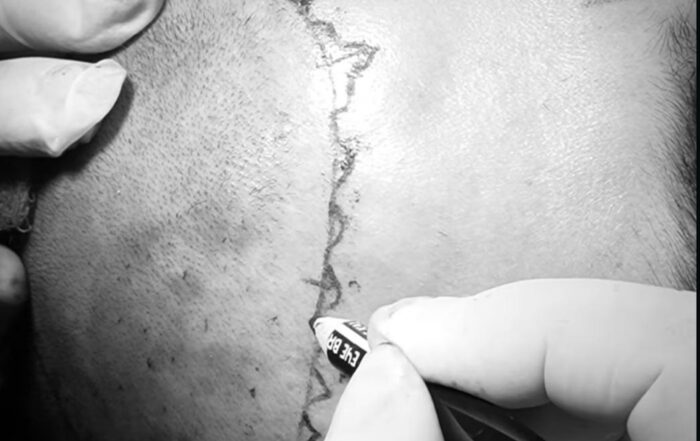
Hair transplantation is a surgical procedure indicated for androgenetic alopecia, trauma-related hair loss, and select scarring alopecias. It requires careful patient selection, surgical planning, and meticulous technique to ensure natural, lasting outcomes.
Defining the Hair Mill Concept
A hair mill refers to a hair transplant clinic that functions primarily as a high-volume, assembly-line operation, prioritizing quantity over quality.
In legitimate clinical practice, hair restoration is a surgical procedure that should be performed or closely supervised by a qualified physician trained in hair restoration and dermatosurgery.
Why Hair Mills Are Problematic
Hair mills pose several potential risks and concerns:
1. Minimal Surgeon Involvement
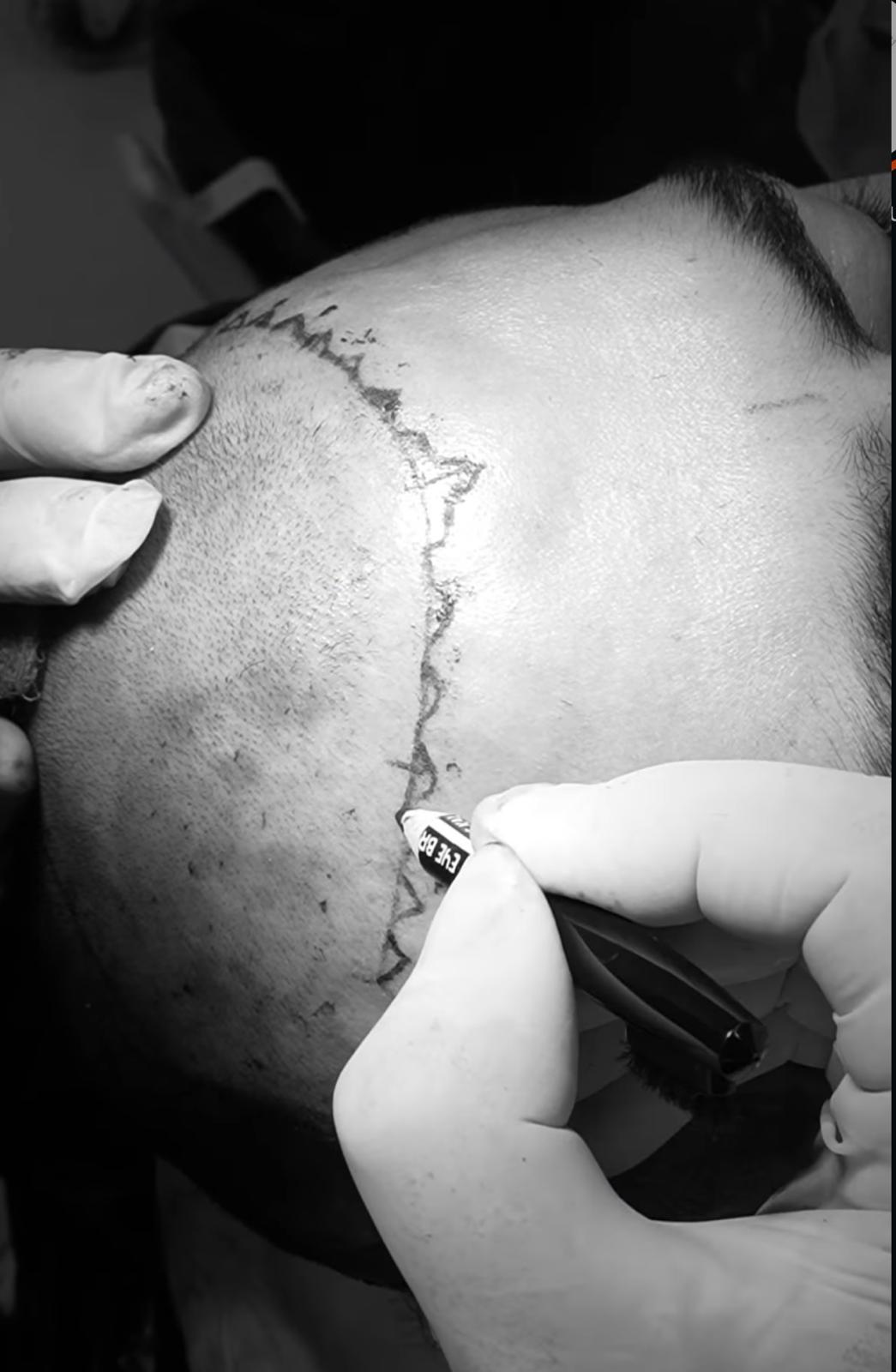
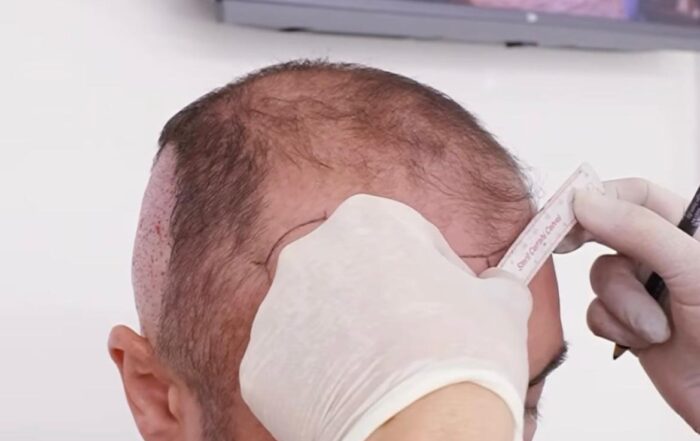
In many hair mills, the surgeon may provide only a brief consultation and minimal hands-on participation, while technicians perform the majority of the procedure. This can compromise critical decisions about hairline design, graft handling, and placement.
2. High Patient Turnover
Clinic models that push multiple surgeries simultaneously risk diminishing the surgeon’s ability to give individualized attention to each patient.
3. Quality and Safety Trade-offs
To maintain high throughput, shortcuts in sterilization, graft handling, and post-operative care may occur potentially increasing graft loss, infection rates, and poor cosmetic outcomes.
4. Overharvesting and Donor Area Compromise
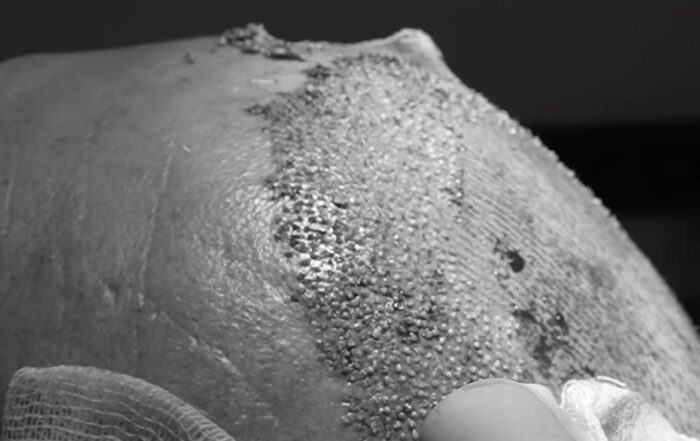
Indiscriminate harvesting of grafts without careful donor management can lead to permanent thinning or scarring. Competent clinicians plan extractions to preserve donor density and long-term viability.
Clinical Best Practices in Hair Transplantation
- Physician Training and Facility Standards: The surgeon performing hair transplantation should have formal training in dermatology or surgical specialties with specific supervised experience in hair restoration.
- Patient Selection: Appropriate candidates should have stable hair loss patterns, sufficient donor supply, and realistic expectations.
These principles contrast sharply with the procedural shortcuts often seen in hair mill settings.
How to Avoid a Hair Mill
To protect your health and achieve the best possible outcome, consider the following cautionary signs commonly associated with hair mills:
1. Unrealistically Low Prices
Offers that seem “too good to be true” often signal cost-cutting in safety, hygiene, or medical expertise.
2. Vague Surgeon Credentials
If you cannot verify the surgeon’s name, board certifications, or track record, treat this as a red flag. Ask directly who will perform the key parts of your surgery.
3. Minimal Consultation
Reputable clinics prioritize thorough consultation including medical history, scalp assessment, and realistic expectations before scheduling surgery.
4. Non-Surgeon Operators
Hair mills often rely on technicians for graft extraction, incision making, or implantation. In contrast, ethical practice involves the surgeon in these critical aspects.
5. Excessive Graft Guarantees
Promises of unlimited grafts or extremely high numbers in a single session may indicate overharvesting strategies that compromise donor reserve.
6. Insufficient Aftercare
Proper follow-up and post-operative support including care instructions and evaluation of early graft survival are hallmarks of quality clinics and often lacking in hair mill practices.
Why You Should Choose MedicalHair
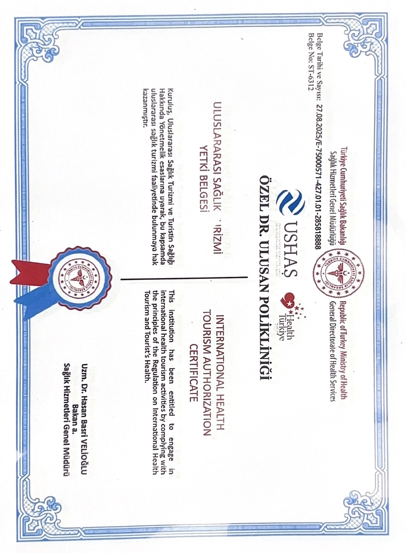
At MedicalHair, every hair transplant is performed under the direct leadership of a surgeon with more than 20 years of experience in hair restoration surgery. To ensure precision and individualized care, our clinic limits procedures to no more than two patients per day, allowing meticulous planning and execution for each case. Grafts are harvested homogeneously to preserve donor density and long-term scalp health, while placement follows natural growth patterns. In addition, our doctor personally trains and supervises the clinical team, ensuring consistent technique, safety, and surgical excellence at every stage of the procedure.
References
- Garg AK, Garg S. Donor Harvesting: Follicular Unit Excision. J Cutan Aesthet Surg. 2018;11(4):195-201. doi:10.4103/JCAS.JCAS_123_18
- Huang YL, Lee MC, Chang SL, et al. Harvested vs estimated follicular units in hair transplantation. J Cosmet Dermatol. 2019;18(3):902-907. doi:10.1111/jocd.12740
References
- Garg AK, Garg S. Donor Harvesting: Follicular Unit Excision. J Cutan Aesthet Surg. 2018;11(4):195-201. doi:10.4103/JCAS.JCAS_123_18
- Huang YL, Lee MC, Chang SL, et al. Harvested vs estimated follicular units in hair transplantation. J Cosmet Dermatol. 2019;18(3):902-907. doi:10.1111/jocd.12740