Recovery After FUE: What to Expect in the First 30 Days
This guide explains the normal healing stages, shedding phase, and recovery milestones during the first month after an FUE hair transplant.
Post Author:
medicalhair
Categories:
Date Posted:
December 23, 2025
Share This:
The first month after an FUE hair transplant is a period of healing, adjustment, and early graft protection. While the procedure is minimally invasive, understanding what is normal and what is not helps patients feel more confident throughout recovery.
Days 1–3: Immediate Healing
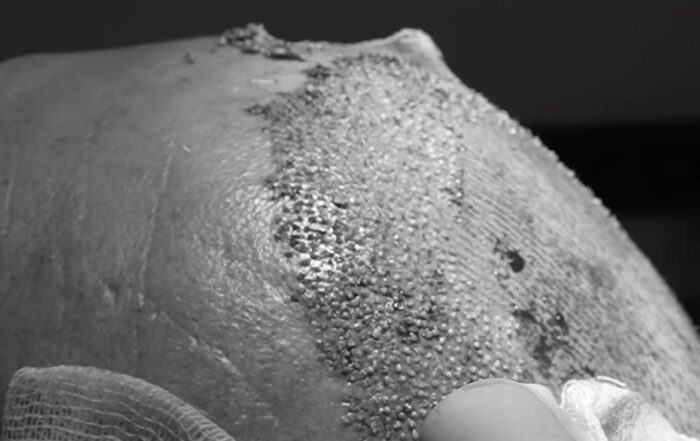
During the first 72 hours, the scalp may feel tight, slightly swollen, or tender. Tiny scabs will form around each graft. Patients are advised to avoid touching the grafts, protect the scalp from trauma, and follow the clinic’s washing protocol precisely. Many return to light daily activities within 24–48 hours.
Days 4–7: Reduced Swelling & Early Washing
Swelling usually peaks early and gradually subsides by day 5. Scabs begin to loosen, and gentle washing becomes a key part of aftercare. Most patients feel comfortable working, socializing, or resuming low-intensity activities during this time.
Days 7–14: Shedding Phase Begins
In the second week, the scabs typically fall off. A normal and predictable “shedding phase” begins: transplanted hairs fall out as part of their natural cycle. This is not hair loss or graft failure; the follicles remain safely in place under the skin.
Days 14–21: Donor Area Normalizes
Redness in both donor and recipient areas continues to fade. The donor region often looks nearly healed. Many patients resume exercise, though heavy lifting, sweating, and direct sun exposure should still be minimized unless your surgeon advises otherwise
Days 21–30: Transition to New Growth Cycle
By the end of the first month, the scalp typically appears natural and healed. While visible regrowth has not yet begun, the transplanted follicles are transitioning into the early stages of their growth cycle. Most patients can resume full activities, including more intense workouts and outdoor exposure with proper sun protection.
Conclusion
The first 30 days after an FUE hair transplant represent a critical period of healing, graft stabilization, and early transition into the hair-growth cycle. While patients may experience temporary redness, shedding of transplanted hairs, and mild tightness or swelling, these changes are entirely normal and expected. By the end of the first month, most individuals are well past the visible signs of surgery and can resume the majority of daily activities with confidence.
Consistent adherence to postoperative instructions helps ensure the best possible long-term outcome. As the follicles begin their new growth phase, patients can look forward to early visible improvements over the coming months and fuller, more natural results by the end of the first year.
References
- Khanna M. Hair transplantation surgery. Indian J Plast Surg. 2008;41(Suppl):S56-S63.
- Lam SM. Follicular Unit Excision (FUE) Basics. Facial Plast Surg. 2024;40(2):158-167. doi:10.1055/a-2179-4729
References
- Khanna M. Hair transplantation surgery. Indian J Plast Surg. 2008;41(Suppl):S56-S63.
- Lam SM. Follicular Unit Excision (FUE) Basics. Facial Plast Surg. 2024;40(2):158-167. doi:10.1055/a-2179-4729