FUE Hair Growth Timeline: Month-by-Month Expectations
This article explains the month-by-month hair growth timeline after an FUE hair transplant, helping patients set realistic expectations and understand normal recovery.
Post Author:
medicalhair
Categories:
Date Posted:
December 25, 2025
Share This:
Understanding what happens after an FUE hair transplant is just as important as understanding the procedure itself. Hair grows in natural cycles, and transplanted follicles follow a predictable timeline of shedding, resting, and regrowth. Knowing these phases helps set realistic expectations and reduces unnecessary worry.
Month 0–1: Healing and Shedding Phase
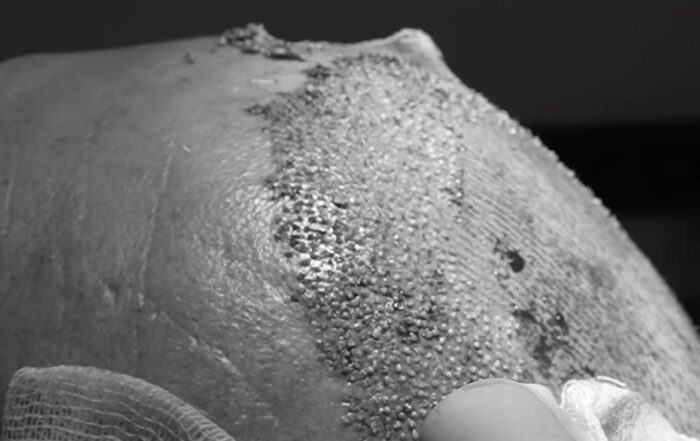
In the first few weeks, the primary focus is on healing. Mild redness, scabbing, and slight swelling gradually fade. Around the third to fourth week, the transplanted hairs typically shed, a completely normal process called “telogen effluvium.” Although shedding can feel discouraging, it does not mean the grafts are lost; the follicles remain securely anchored below the skin.
Month 2–3: Quiet Phase
The scalp generally looks normal by now, with no obvious signs of surgery. During this resting period, most follicles remain dormant beneath the surface. Some patients may notice early, fine “vellus-like” hairs beginning to appear, but significant growth is not expected yet. This is often the slowest part of the journey, and patience is key.
Month 4–5: Early Growth Begins
This is when things start to change. Many patients notice the first meaningful wave of new hair emerging. These early hairs may look thin, soft, or uneven in texture. Over time, they will thicken, gain pigment, and blend with existing hair. Density still appears low, which is normal at this stage.
Month 6–7: Noticeable Improvement
Between months 6 and 7, growth becomes much more visible. The transplanted hairs gain strength and thickness, and coverage significantly improves. Many patients begin feeling more confident as the results become apparent in everyday settings.
Month 8–10: Maturation and Density Building
The majority of regrowth happens during this period. Hair becomes denser, darker, and straighter (or curlier, depending on natural type). The hairline refines further, and overall volume increases. Any early irregularity in growth typically smooths out as the follicles synchronize into a more mature growth pattern.
Month 11–12: Final Results Take Shape
By one year, most patients experience 85–95% of their outcome. Density appears fuller, texture is better defined, and transplanted hair blends seamlessly with native hair. Many consider this the “completion point,” although improvements can continue beyond this period.
Month 12–18: Full Maturation
In some individuals especially when thicker hair shafts or larger areas were transplanted full maturation can take up to 18 months. Hairs continue to thicken, and the overall aesthetic result becomes more refined. At this stage, results tend to be stable and long-lasting.
To Conclude Your Process
The hair-growth journey after FUE is a gradual, month-by-month process that requires patience, consistency, and realistic expectations. While early shedding can feel discouraging, it is an essential part of the follicle’s natural cycle. Meaningful regrowth typically begins around the fourth month, with the most noticeable improvements occurring between months six and ten. By the one-year mark and often into 18 months patients see fuller density, refined texture, and a natural appearance that blends seamlessly with native hair. Understanding this timeline helps patients stay confident throughout the process and appreciate the steady, predictable nature of hair restoration.
References
- Kwack MH, Kim MK, You SH, Kim N, Park JH. Comparative Graft Survival Study of Follicular Unit Excision Grafts With or Without Minor Injury. Dermatol Surg. 2021;47(5):e191-e194. doi:10.1097/DSS.0000000000002878
- Rassman WR, Bernstein RM, McClellan R, Jones R, Worton E, Uyttendaele H. Follicular unit extraction: minimally invasive surgery for hair transplantation. Dermatol Surg. 2002;28(8):720-728. doi:10.1046/j.1524-4725.2002.01320.x
References
- Kwack MH, Kim MK, You SH, Kim N, Park JH. Comparative Graft Survival Study of Follicular Unit Excision Grafts With or Without Minor Injury. Dermatol Surg. 2021;47(5):e191-e194. doi:10.1097/DSS.0000000000002878
- Rassman WR, Bernstein RM, McClellan R, Jones R, Worton E, Uyttendaele H. Follicular unit extraction: minimally invasive surgery for hair transplantation. Dermatol Surg. 2002;28(8):720-728. doi:10.1046/j.1524-4725.2002.01320.x