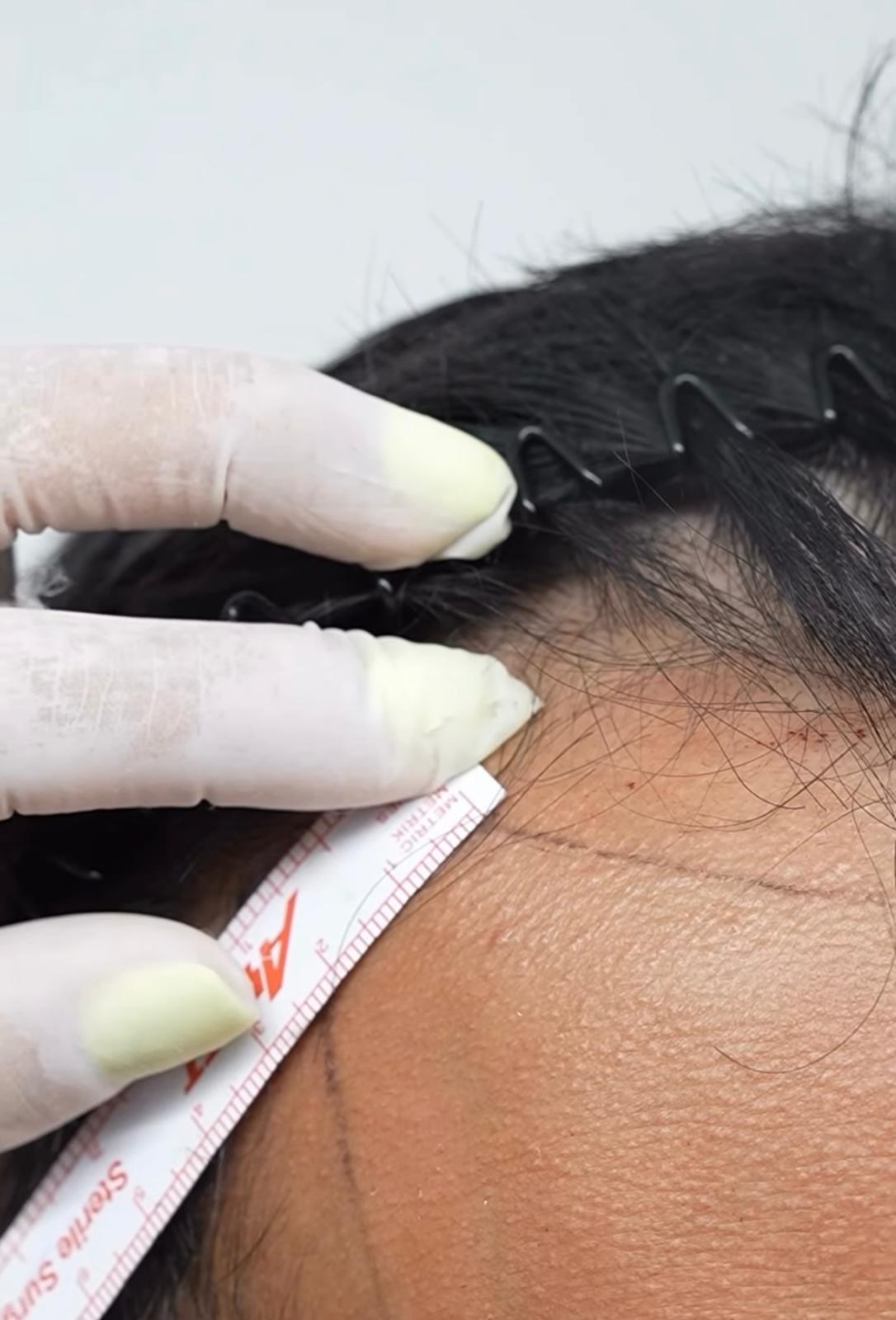
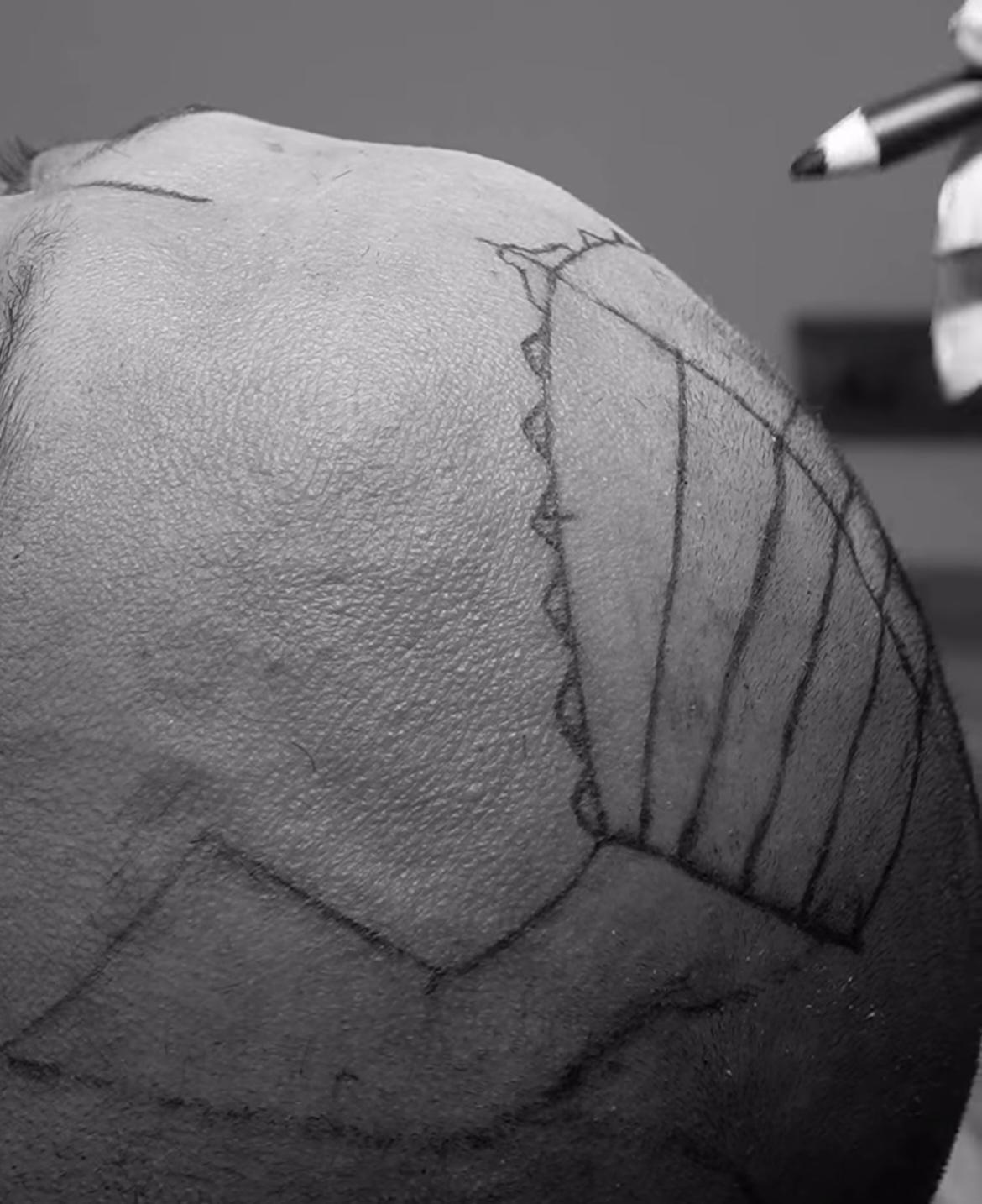
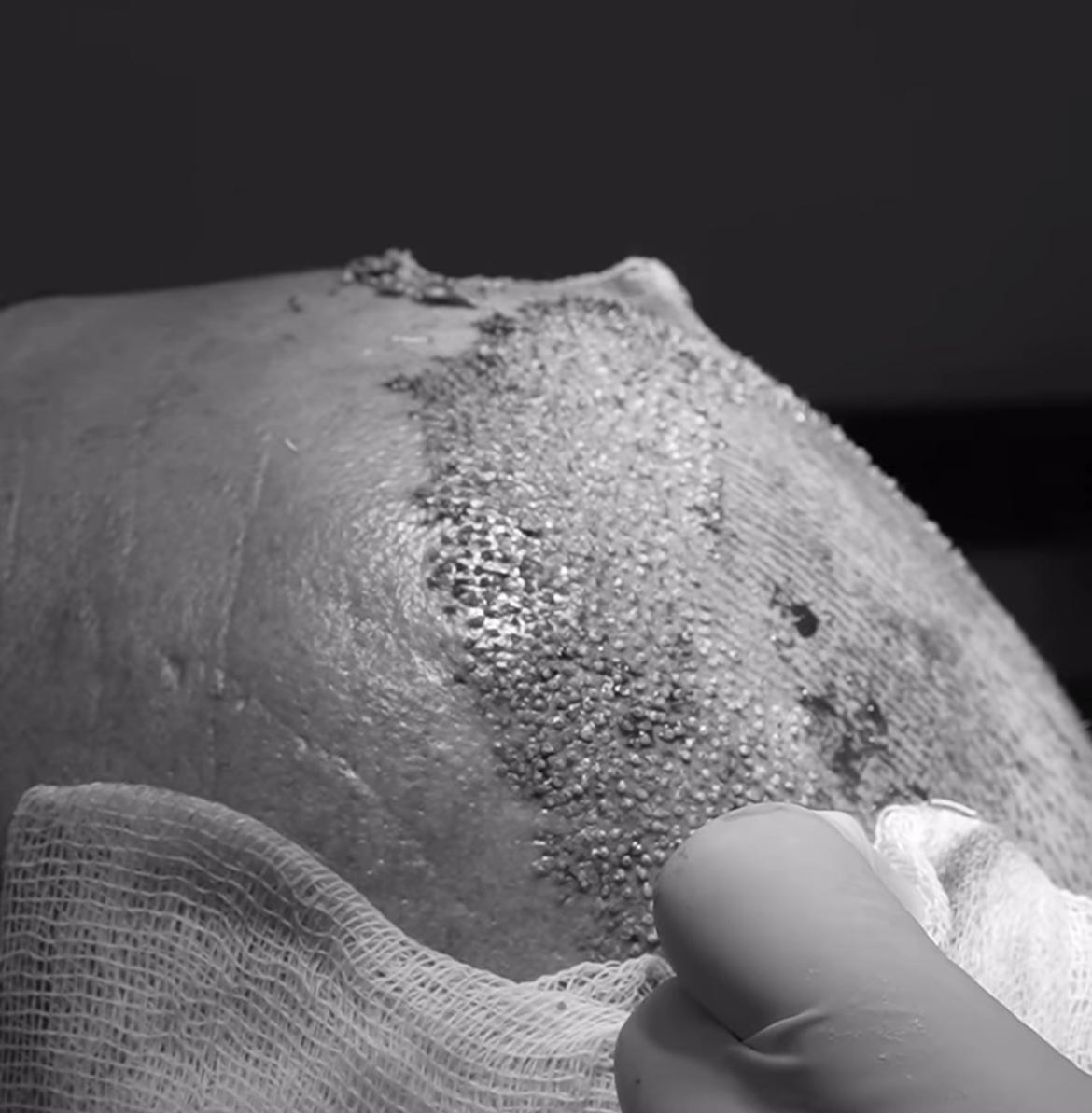
Is Body Hair Usable for Hair Transplant?
This article explains how body hair transplantation works, who it suits best, and what clinical evidence says about its effectiveness and limitations.

This article explains how body hair transplantation works, who it suits best, and what clinical evidence says about its effectiveness and limitations.
This article explains how smoking contributes to hair loss through reduced circulation, oxidative stress, and inflammation, and why quitting can support healthier hair.
This article explains the most common causes of hair thinning in women and highlights why proper diagnosis is key to effective, personalized treatment.
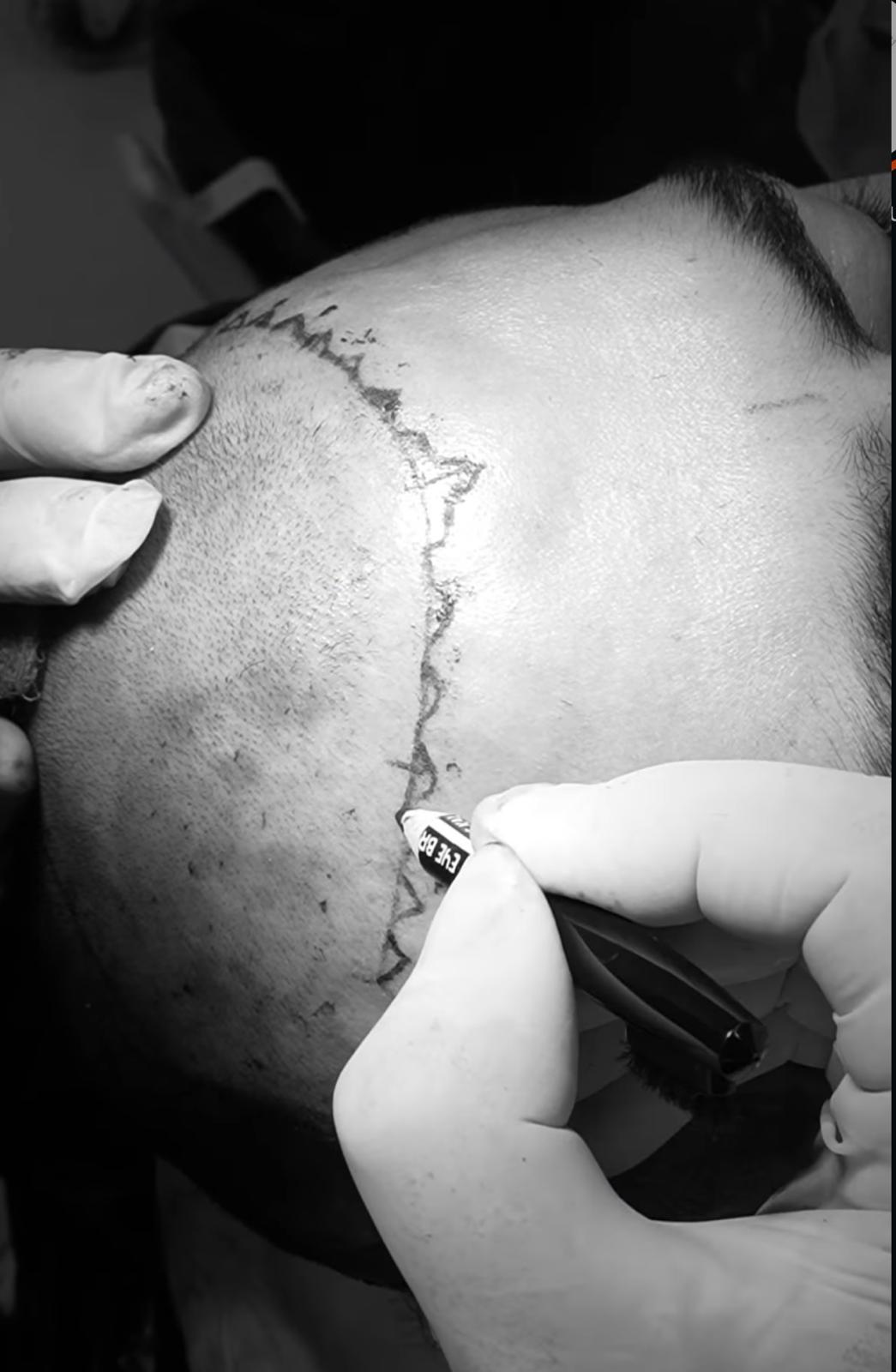
This article explains what hair mill clinics are, why they can compromise hair transplant outcomes, and how to choose a qualified, surgeon-led clinic safely.
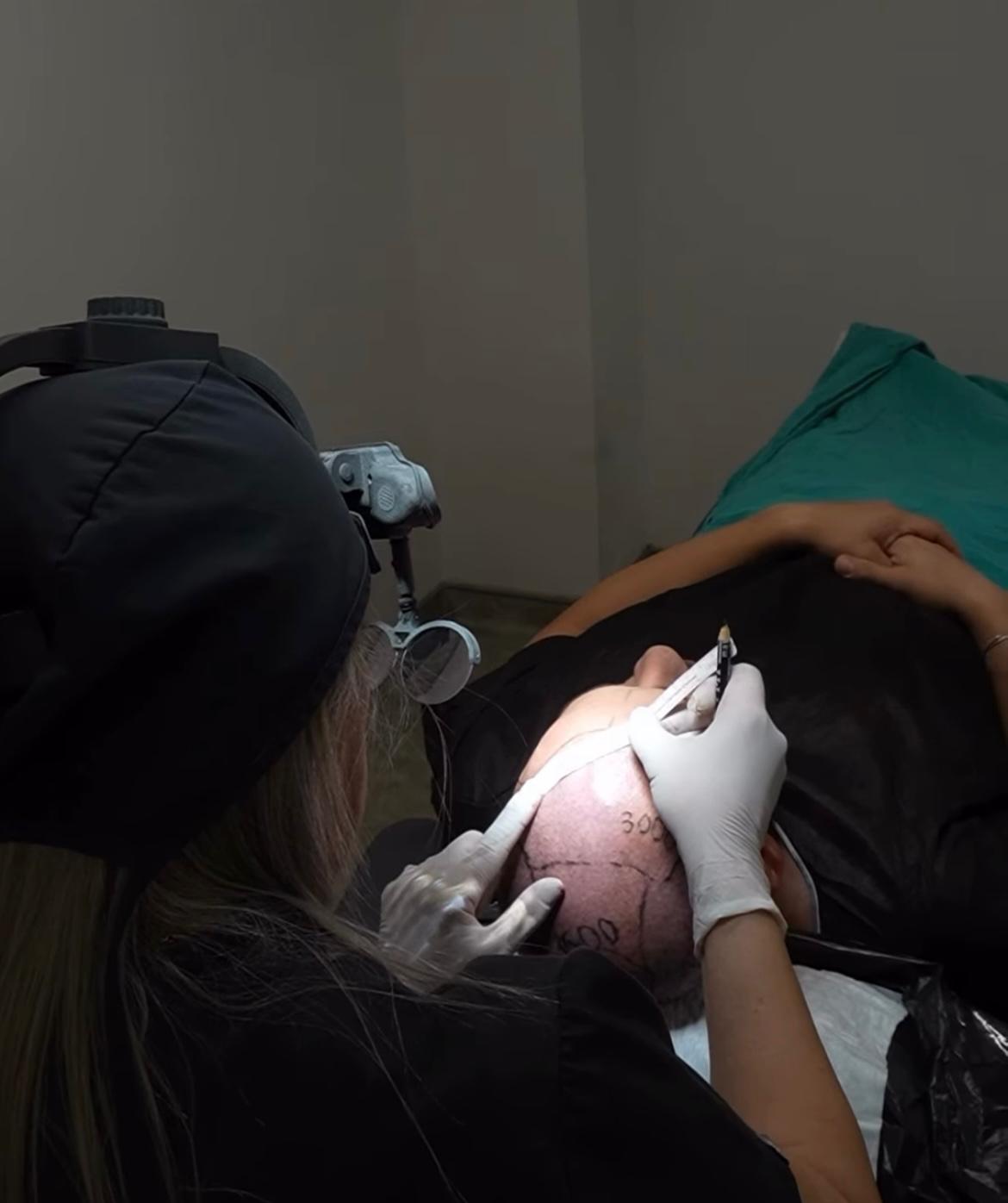
This guide explains the normal healing stages, shedding phase, and recovery milestones during the first month after an FUE hair transplant.
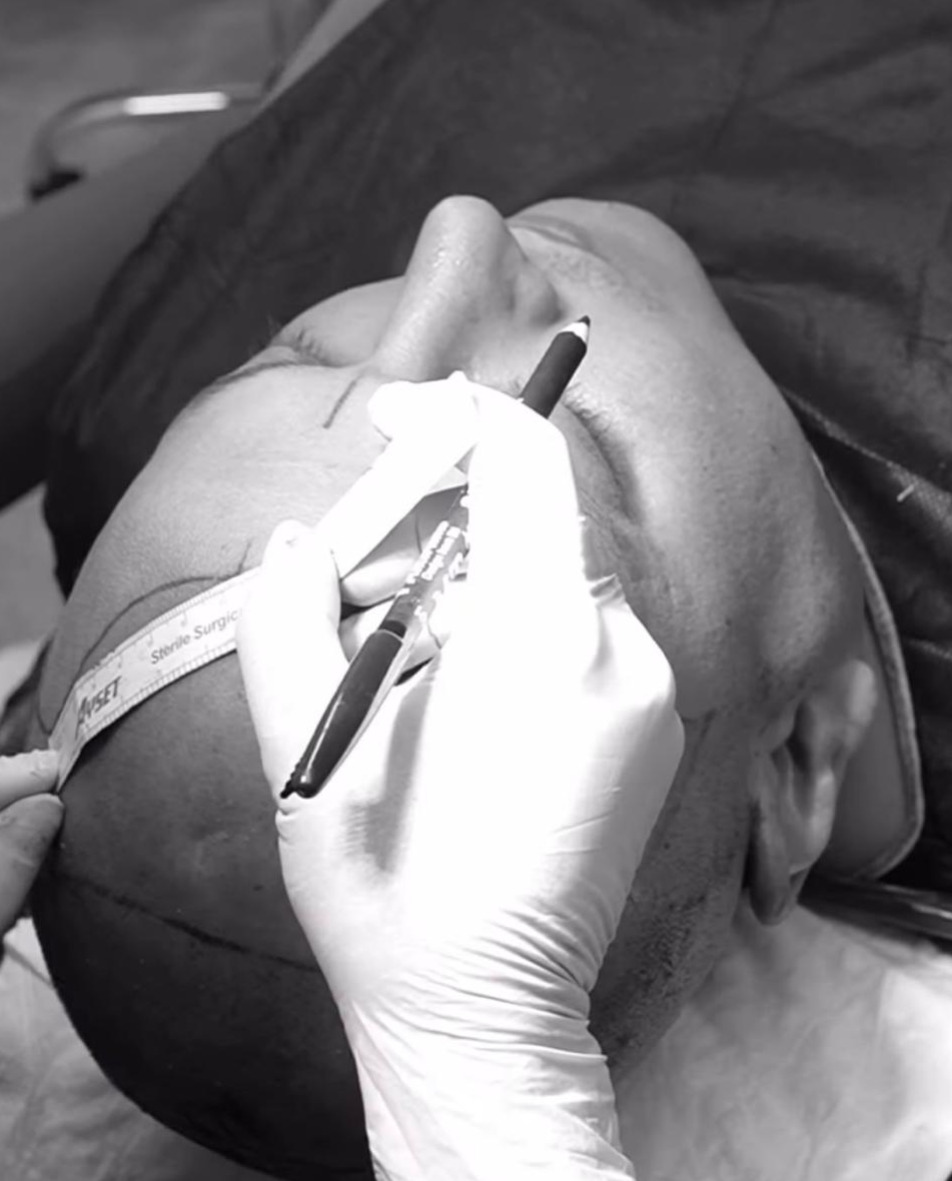
This guide explains FUE hair transplantation, covering how the procedure works, its advantages, recovery expectations, and who may benefit most.
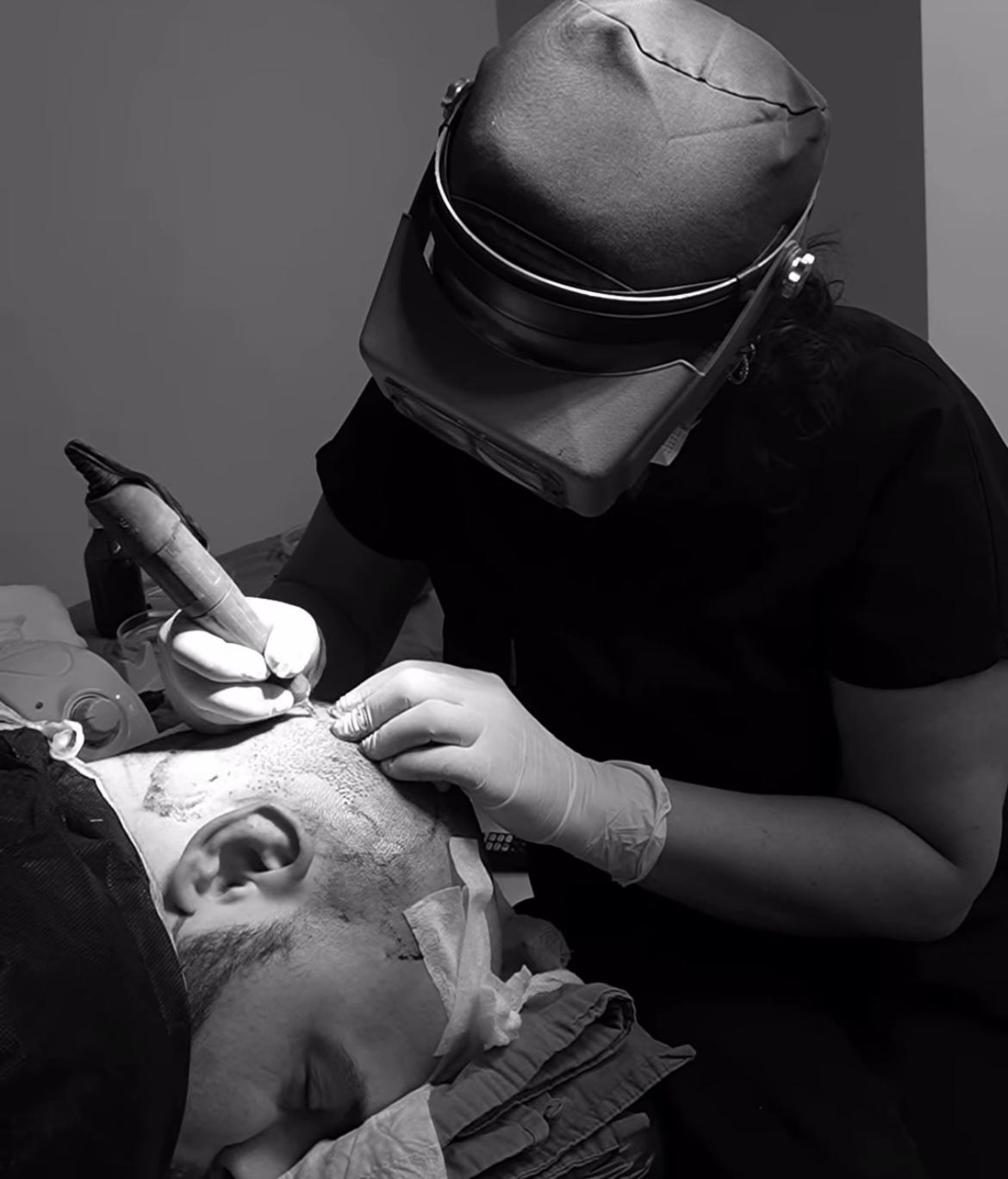
Pumpkin seed oil is a safe, natural adjunct that may modestly support hair growth in early androgenetic alopecia when used alongside evidence-based treatments.
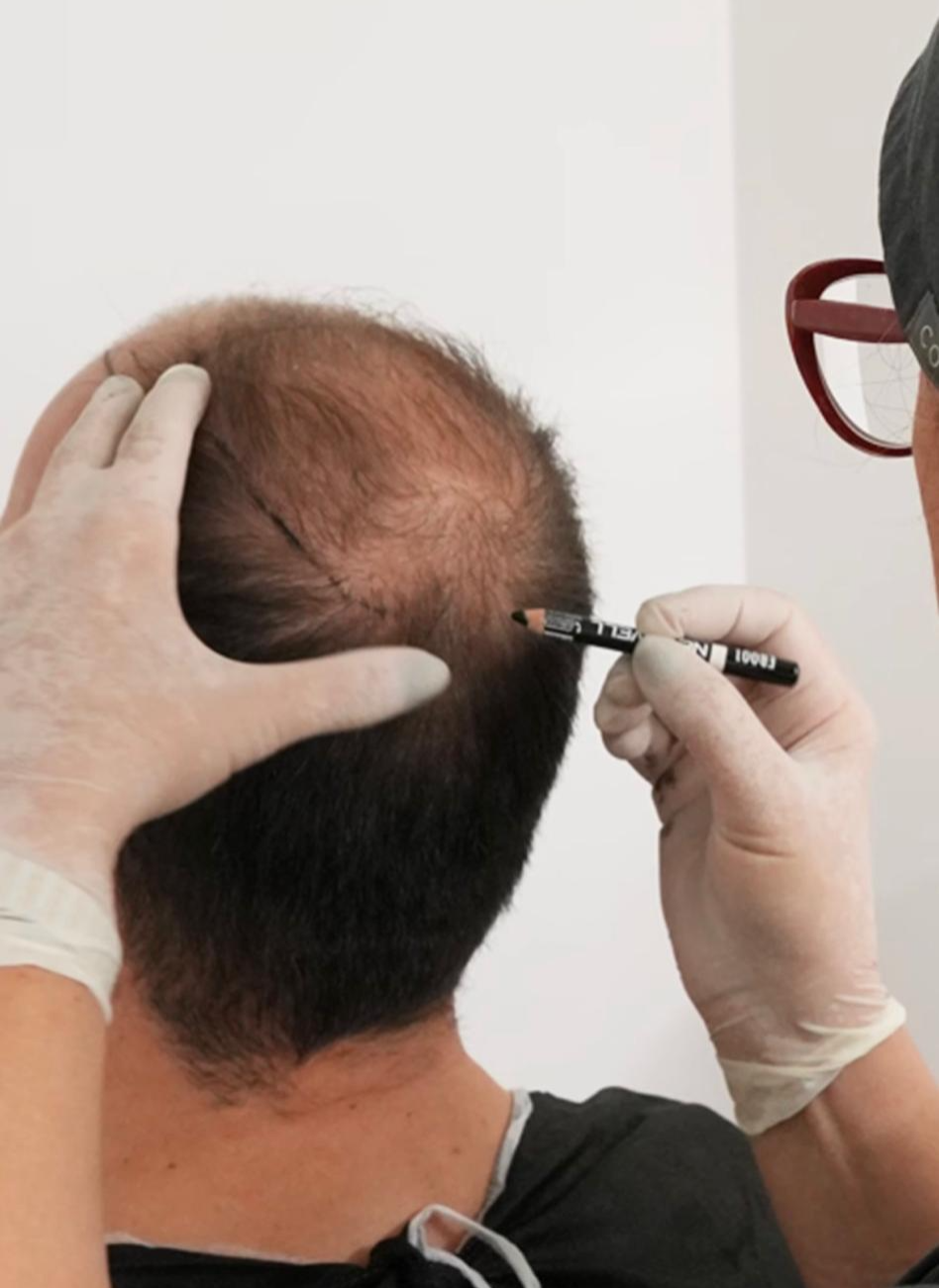
This guide explains what to expect in the first week after a hair transplant, from healing milestones to essential aftercare for safe, healthy recovery.
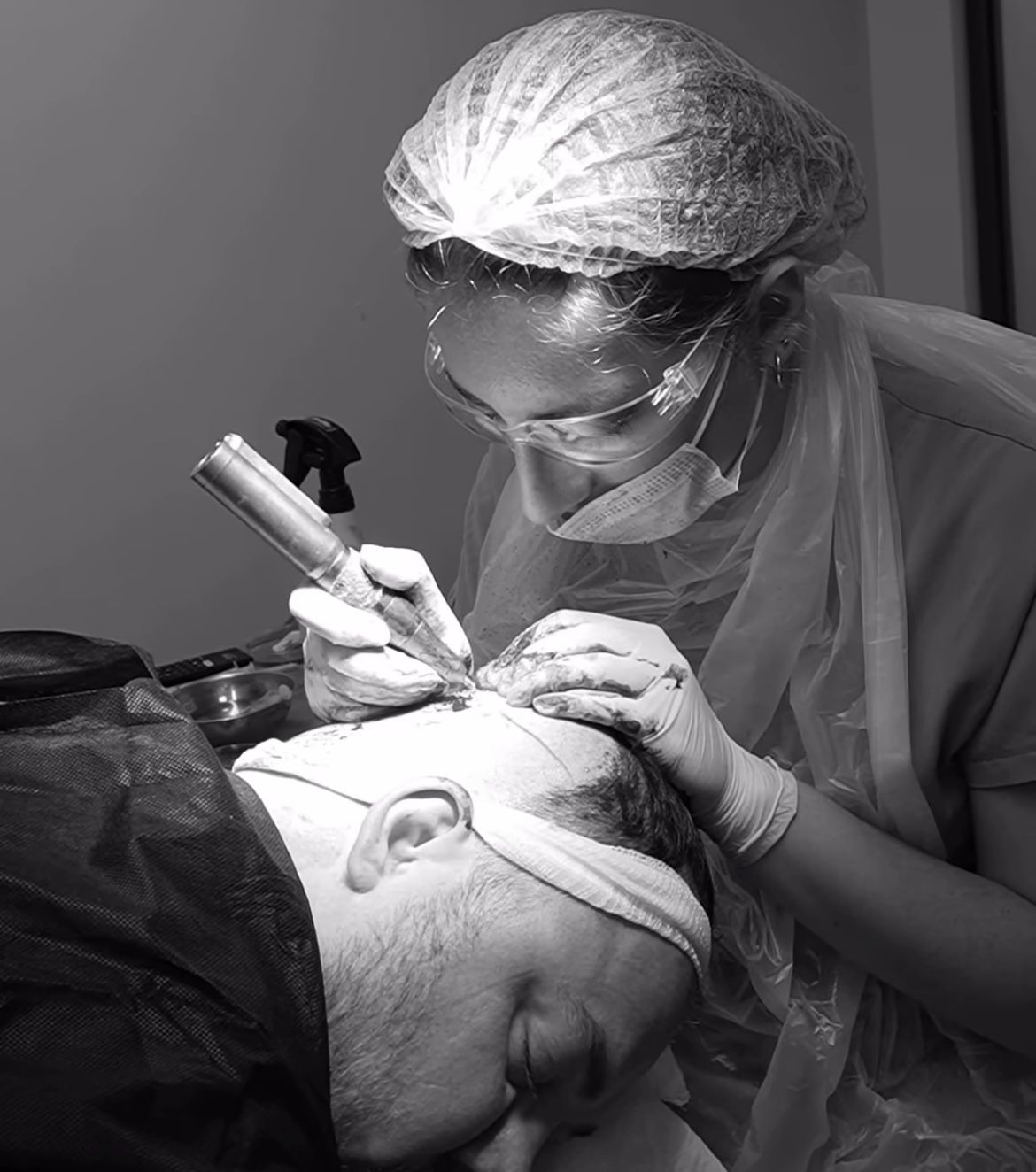
Prepare for your hair transplant with expert, patient-friendly guidance that supports safer healing, stronger graft survival, and more natural, long-lasting results.
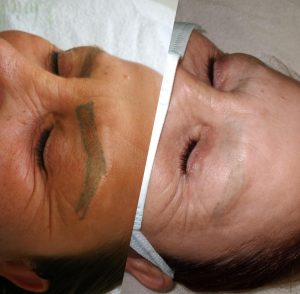
Madarosis refers to the loss of eyebrows or eyelashes. This guide explains common triggers, treatment options, and techniques to help patients understand and manage loss.
© 2025 Ulusan Saç Ekimi. Bu site, sağlığı koruyucu ve geliştirici nitelikte bilgilendirme amaçlıdır. Sitede yer alan sağlık bilgileri, alanında uzman sağlık mensupları tarafından temin edilmiştir. Ancak, bu bilgiler, Sağlık Bakanlığı onayı olmayan uygulamalarda sorumluluk teşkil etmez. Sağlık sorunlarınız ve tedavi seçenekleriniz için mutlaka bir sağlık profesyoneline danışınız.
© Copyright 2026 | MedicalHair | All Rights Reserved | Web Tasarım: Dr. Ulusan