

Latest News and Stories
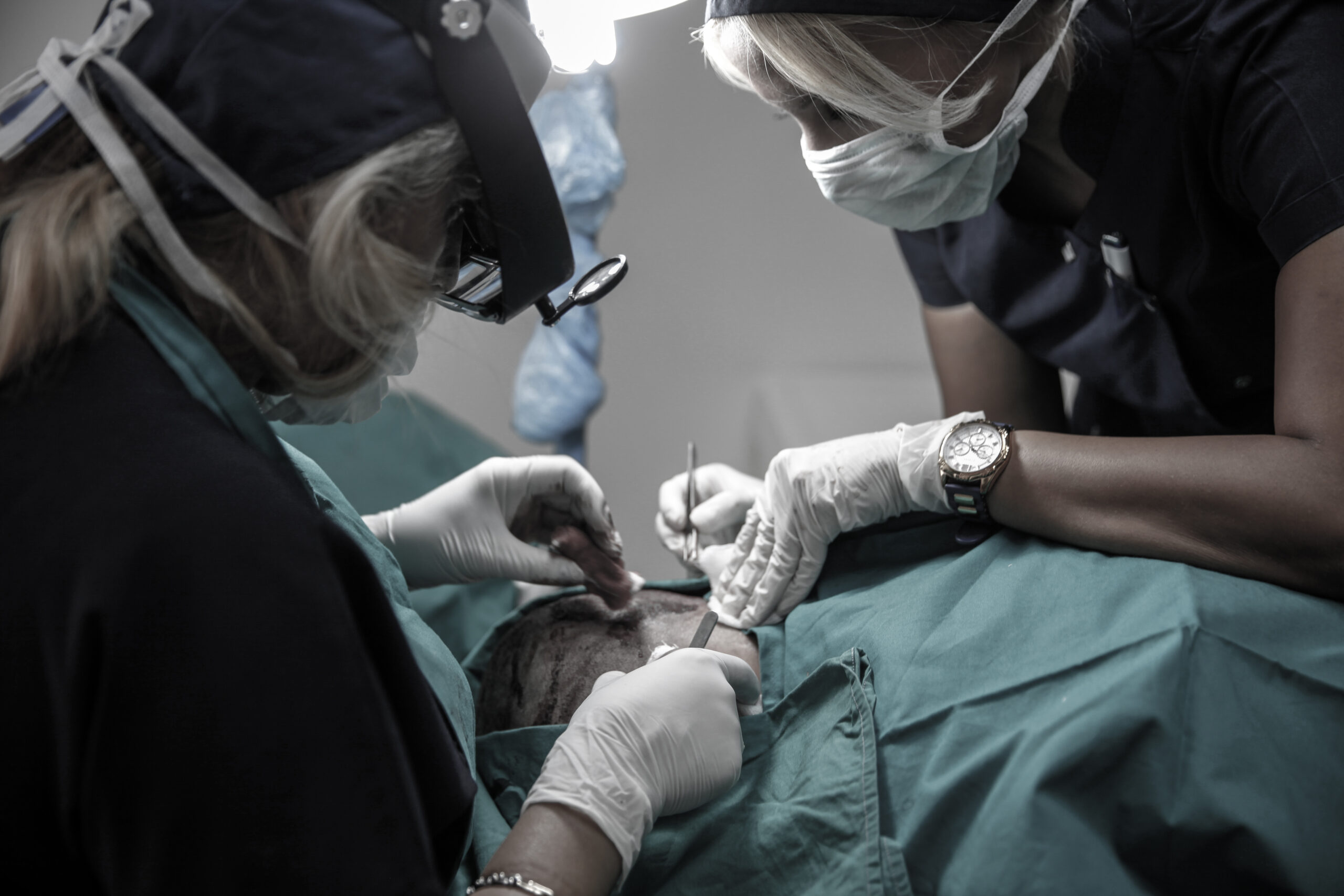
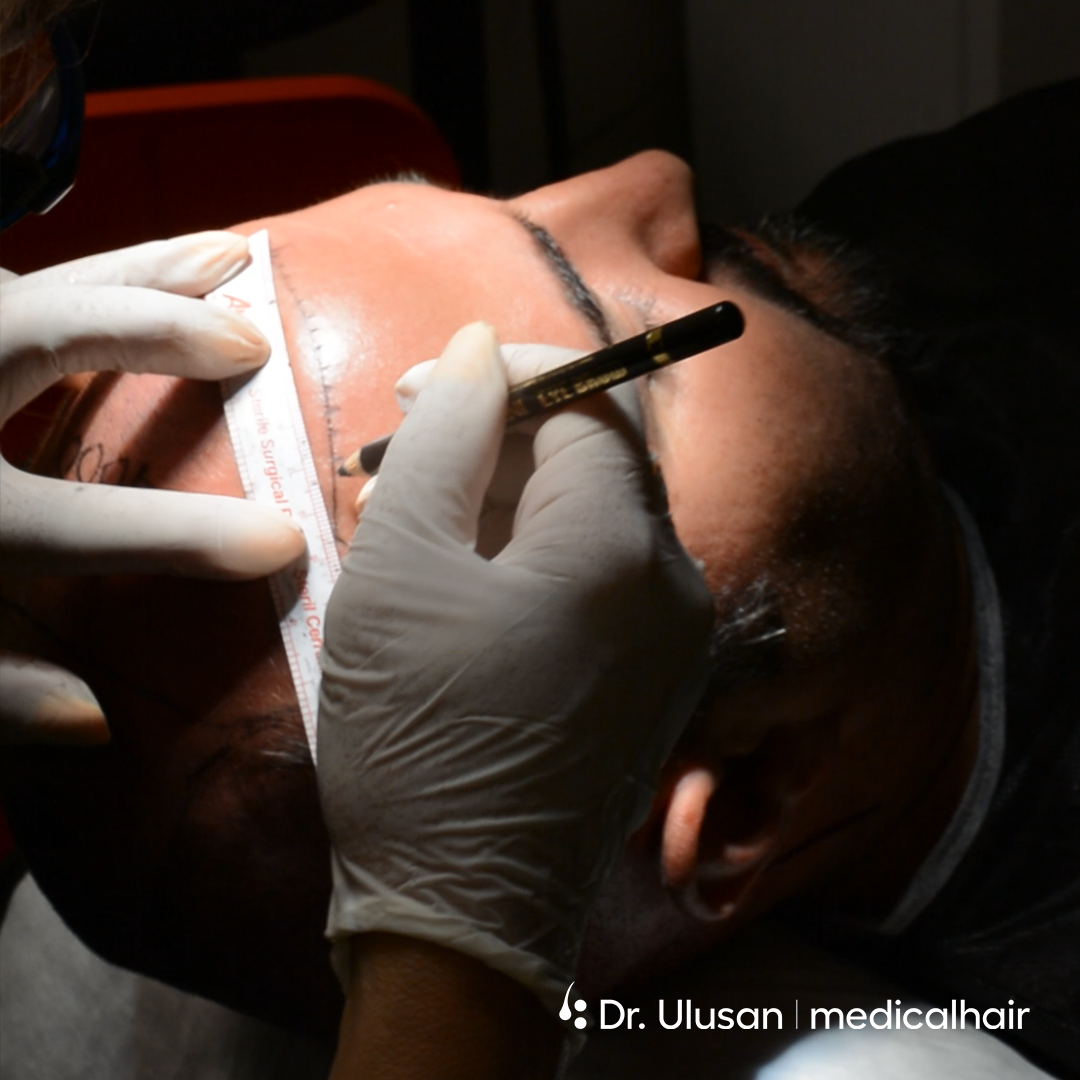
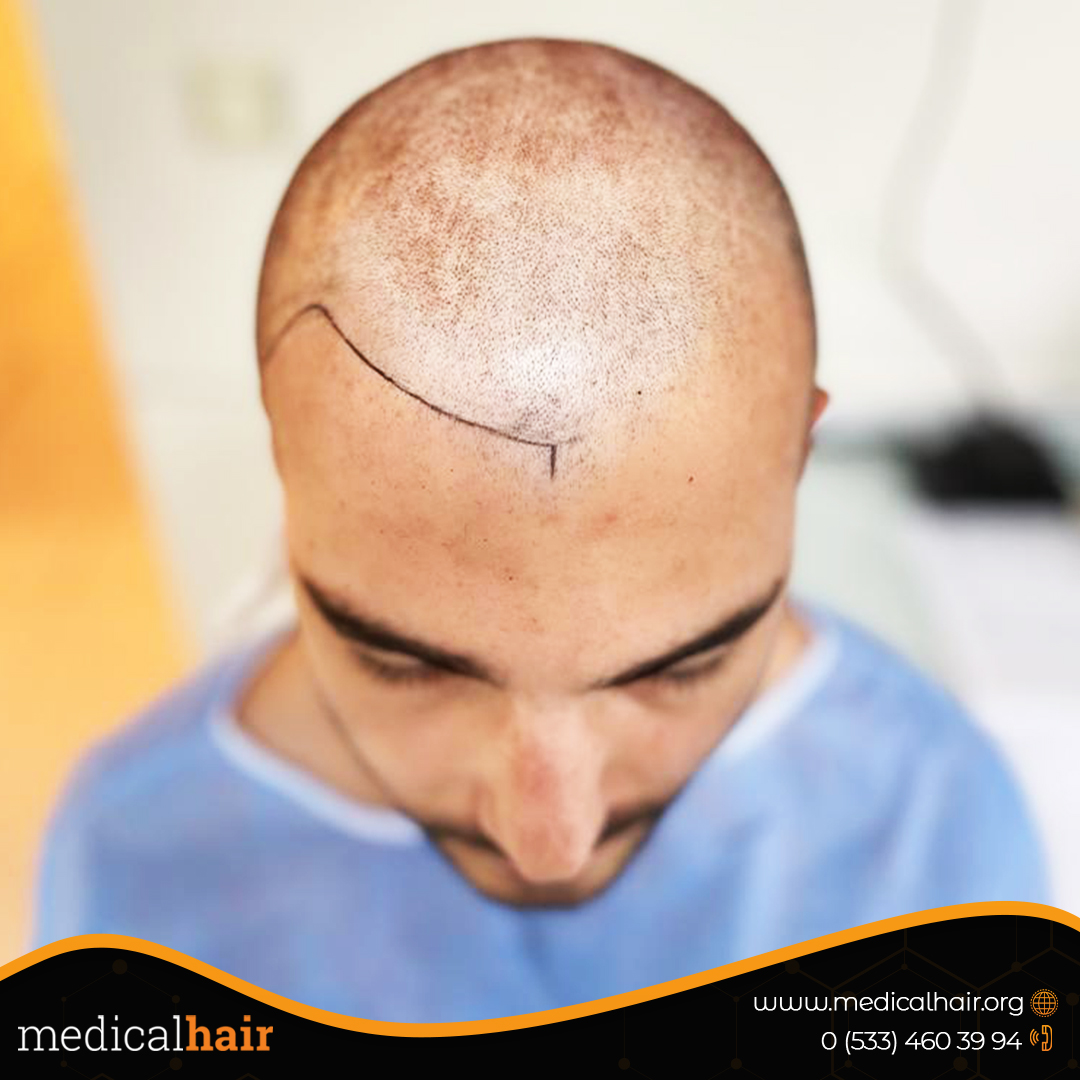
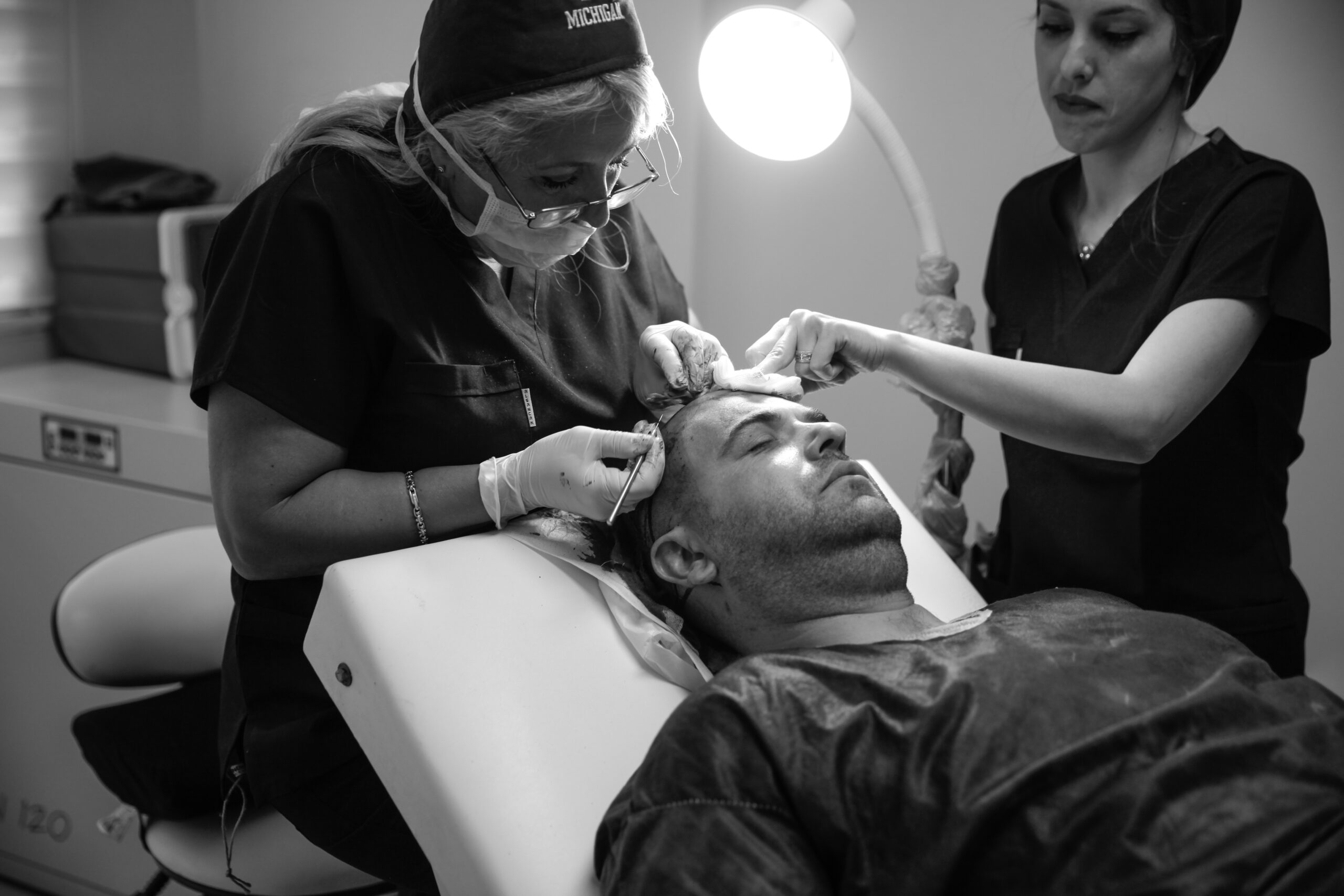
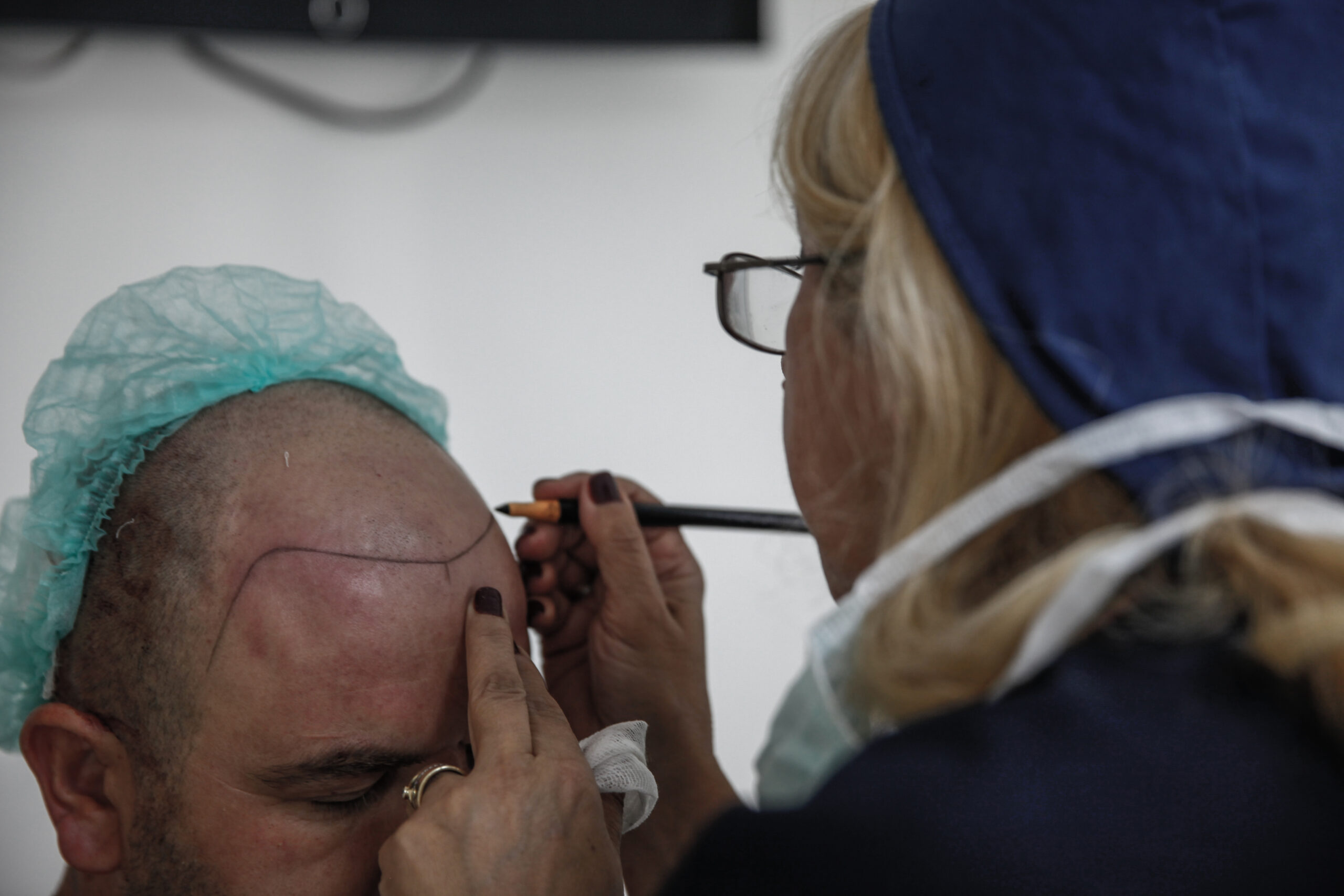

Trichotillomania: Can Hair Transplant Be a Solution?
TTM is a hair-pulling disorder that can lead to lasting hair loss. This article explores when hair transplantation becomes a safe and effective option after behavioral recovery. Learn about diagnosis, treatment stability, and how hair restoration techniques can help.
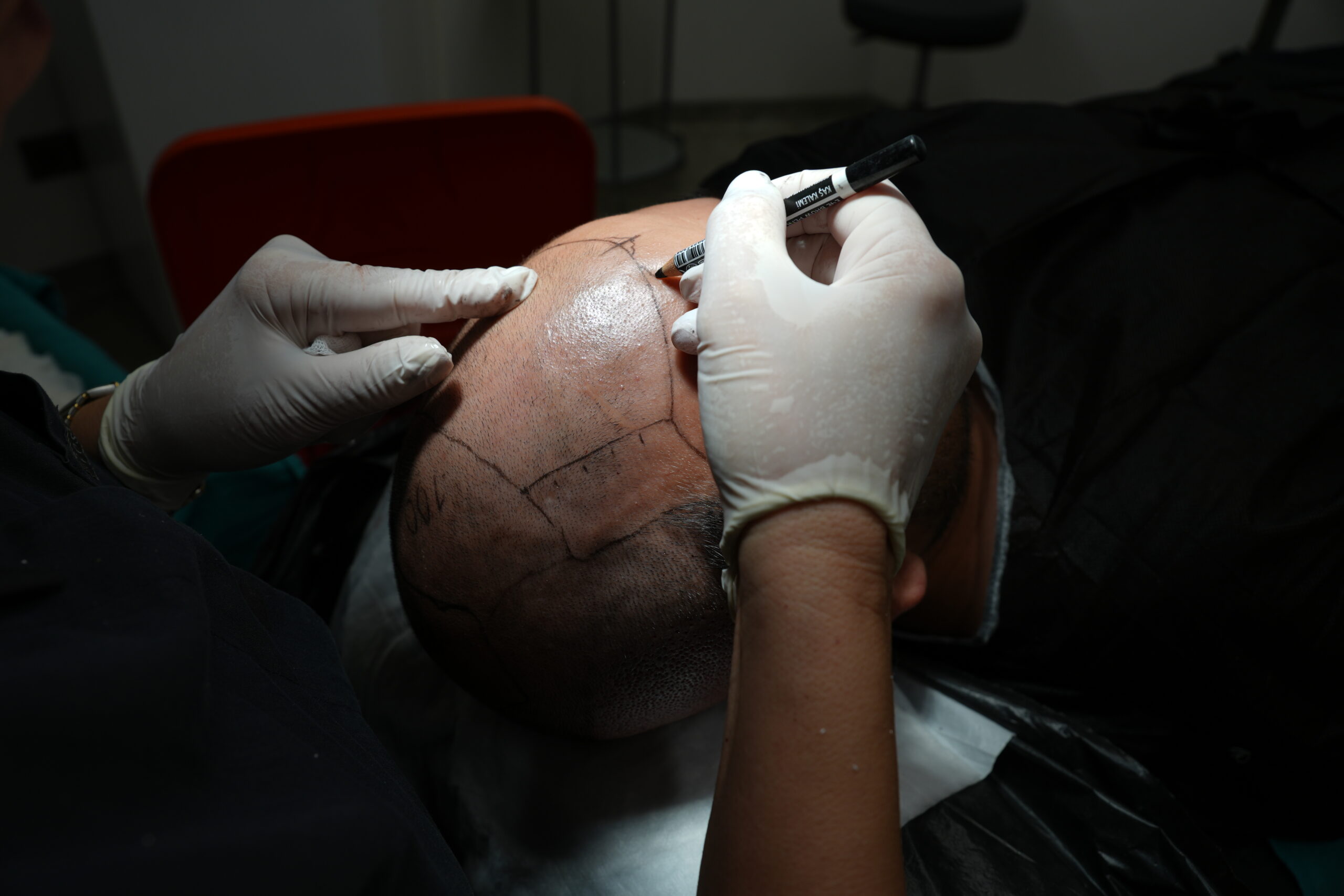
What Is Post-Finasteride Syndrome and Is Finasteride Safe for Hair Loss Treatment?
Finasteride is an FDA-approved medication used to treat hair loss by blocking the hormone DHT. It is considered safe when prescribed correctly, though rare side effects have been reported. Finasteride is often used before or after hair transplant surgery to improve and maintain results.
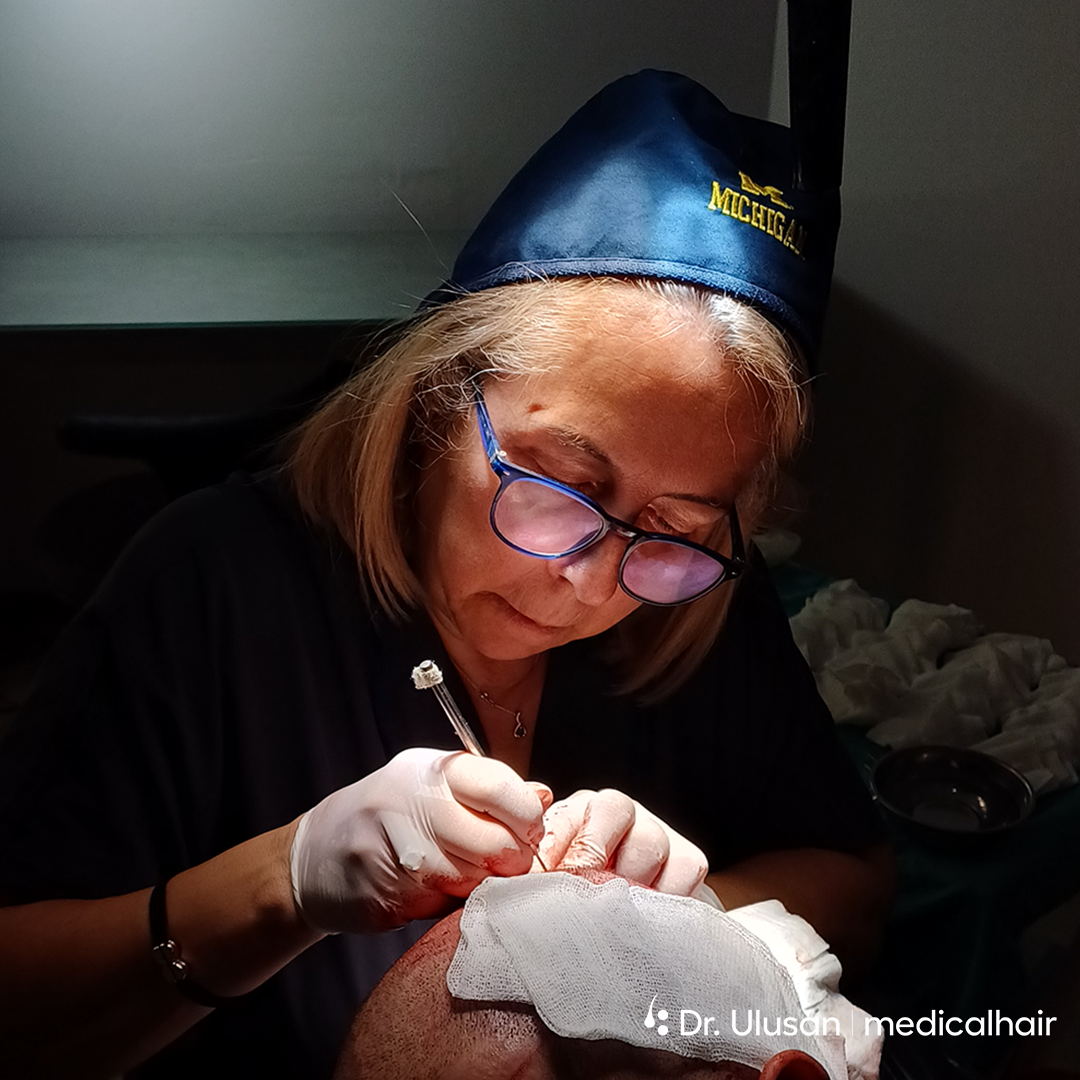
How to Massage Your Scalp After Hair Transplant
Scalp massage is a simple, non-invasive technique that may improve hair thickness by boosting blood flow and stimulating hair follicles. Studies suggest it can enhance scalp health and support hair growth when practiced regularly. While not a cure for hair loss, it can be a beneficial addition to a holistic hair care routine.
What is the Link Between Vitamin D and Alopecia Areata?
Discover the vital role of Vitamin D in immune health and its emerging link to hair loss, especially in conditions like alopecia areata. While supplementation may support hair regrowth in some cases, advanced hair loss often requires more effective solutions
Rosemary Oil for Hair: What Do We Know About Its Effectiveness?
Rosemary oil has gained recognition as a natural remedy for hair loss, with studies showing results comparable to minoxidil in some cases. While it may improve scalp health and hair density, natural treatments often fall short for hair loss.
Biotin for Hair Growth: Is it Useful?
Biotin plays a key role in hair growth and overall metabolic health, with benefits seen in those who are deficient. However, for genetic or advanced hair loss, supplements alone are often not enough.