What Are the Benefits of Sapphire FUE Hair Transplant?
Sapphire FUE is an advanced hair transplant technique that enhances precision, reduces tissue trauma, and supports faster healing with natural-looking results.
Hair transplantation has evolved significantly over the past two decades, with Follicular Unit Extraction (FUE) now recognized as the preferred surgical approach for hair restoration. Continuous refinements in technique and instrumentation aim to improve precision, healing, and aesthetic outcomes. One such refinement is Sapphire FUE, a variation of standard FUE that utilizes sapphire-tipped blades for recipient site creation.
Understanding Sapphire FUE
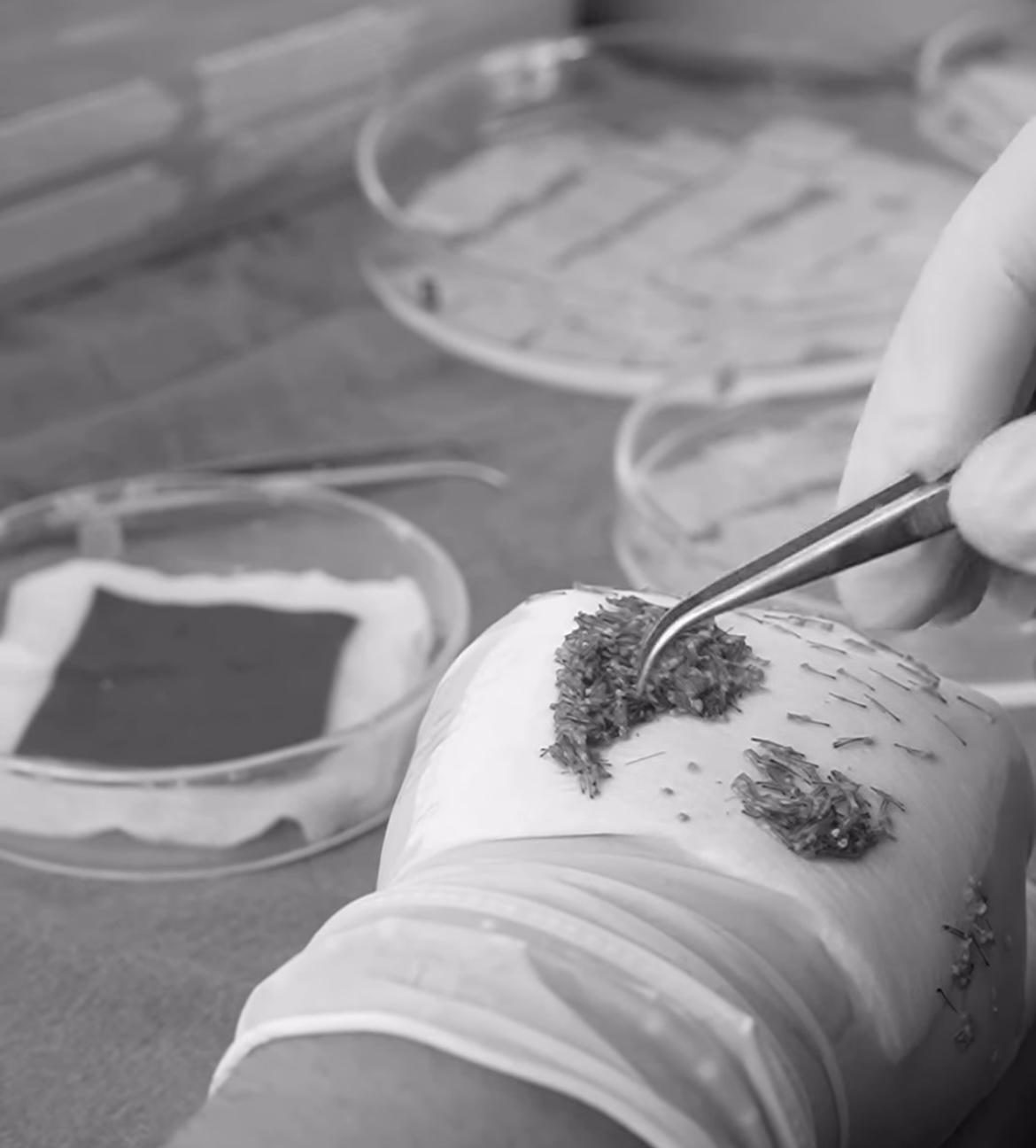
Sapphire FUE follows the same fundamental principles as conventional FUE. Individual follicular units are harvested from the donor area using micro-punches and transplanted into balding or thinning areas. The defining difference lies in the recipient site incision, which is created using synthetic sapphire blades rather than traditional stainless-steel blades.
Sapphire is an extremely hard, smooth, and sharp material, allowing for the creation of ultra-fine and precise incisions in the scalp. This technical modification underpins the proposed benefits of Sapphire FUE.
Key Benefits of Sapphire FUE Hair Transplantation
1. Enhanced Surgical Precision
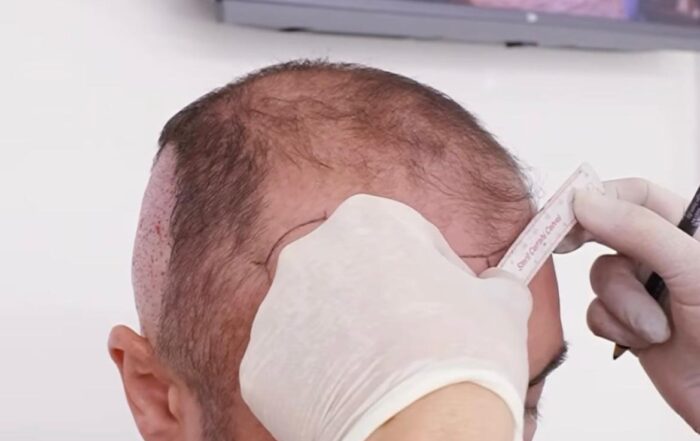
Sapphire blades allow surgeons to create smaller, cleaner, and more uniform recipient sites. The precision of these incisions facilitates accurate control over:
- Angle of hair growth
- Direction of follicular placement
- Depth of implantation
This level of control is essential for achieving natural-appearing hairlines and seamless density, particularly in cosmetically sensitive areas such as the frontal scalp and temples.
2. Reduced Tissue Trauma
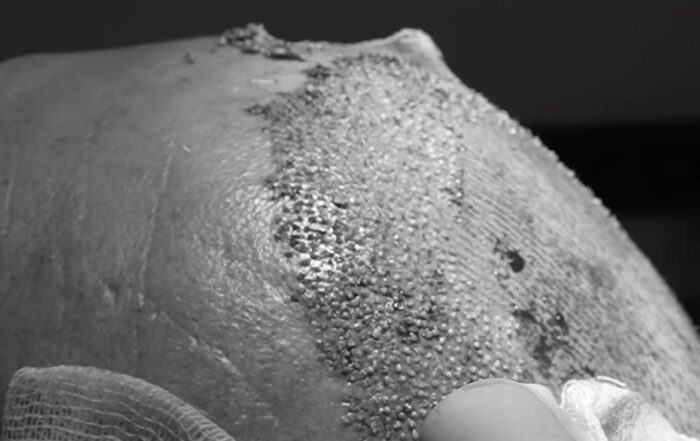
Compared with standard steel blades, sapphire blades produce less micro-trauma to surrounding tissue due to their sharper edges and smoother surfaces. Reduced tissue disruption is associated with:
- Less post-operative inflammation
- Reduced scalp edema
- Lower risk of excessive bleeding
Minimizing trauma at the recipient site supports a more favorable healing environment for transplanted follicles.
3. Faster Healing and Recovery
Smaller incisions created with sapphire blades typically result in:
- Faster epithelialization
- Shorter duration of redness and crusting
- Earlier return to social and professional activities
Although individual healing responses vary, many patients experience a more comfortable and predictable recovery following Sapphire FUE when compared with older incision techniques.
4. Potential for Higher Density Placement
The ability to create ultra-fine recipient sites may allow for closer spacing of grafts without compromising scalp vascularity. When performed by an experienced surgeon, this can contribute to:
- Improved visual density
- Better coverage in advanced hair loss patterns
- More refined aesthetic outcomes
It is important to emphasize that graft density remains limited by patient-specific factors such as scalp laxity, vascular supply, and donor availability not blade choice alone.
Who Is an Ideal Candidate for Sapphire FUE?
Sapphire FUE may be particularly beneficial for:
- Patients seeking highly natural hairline reconstruction
- Individuals prioritizing faster healing and minimal downtime
- Candidates requiring dense packing in focal areas
- Patients undergoing cosmetic refinement or secondary procedures
A thorough consultation remains essential to align surgical technique with individual anatomy and expectations.
Conclusion
Sapphire FUE represents an advanced evolution of follicular unit extraction, offering enhanced precision, reduced tissue trauma, faster healing, and refined aesthetic outcomes. While the use of sapphire blades contributes to these benefits, successful hair transplantation ultimately depends on surgical skill, experience, and individualized treatment planning.
References
- Collins K, Avram MR. Hair Transplantation and Follicular Unit Extraction. Dermatol Clin. 2021;39(3):463-478. doi:10.1016/j.det.2021.04.003
- Rassman WR, Bernstein RM, McClellan R, Jones R, Worton E, Uyttendaele H. Follicular unit extraction: minimally invasive surgery for hair transplantation. Dermatol Surg. 2002;28(8):720-728. doi:10.1046/j.1524-4725.2002.01320.x
References
- Collins K, Avram MR. Hair Transplantation and Follicular Unit Extraction. Dermatol Clin. 2021;39(3):463-478. doi:10.1016/j.det.2021.04.003
- Rassman WR, Bernstein RM, McClellan R, Jones R, Worton E, Uyttendaele H. Follicular unit extraction: minimally invasive surgery for hair transplantation. Dermatol Surg. 2002;28(8):720-728. doi:10.1046/j.1524-4725.2002.01320.x